Performance Analytics Overview: 8339633848, 8339703945, 8339721292, 8339793337, 8339842440, 8339870378

Performance analytics serves as a vital tool for organizations seeking to enhance their operational effectiveness. By focusing on Key Performance Indicators (KPIs), organizations can assess their performance metrics systematically. This analytical approach not only facilitates trend analysis but also aids in identifying areas for improvement. With the integration of data visualization and predictive analytics, stakeholders can better interpret complex information. However, the real challenge lies in implementing these insights into actionable strategies. What steps should be taken next?
Understanding Key Performance Indicators (KPIs)
Key Performance Indicators (KPIs) serve as critical metrics for evaluating the effectiveness of an organization’s strategies and operations.
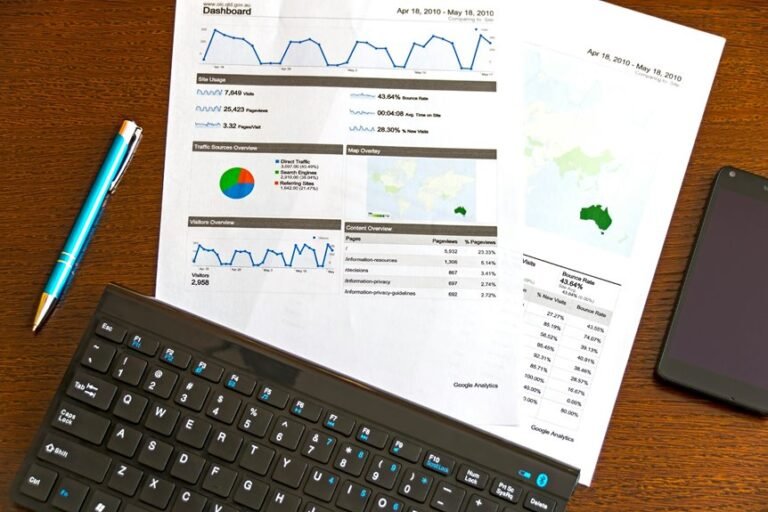
KPI definitions encompass specific, measurable objectives that align with strategic goals. KPI examples include customer satisfaction scores and revenue growth rates.
Leveraging Data for Trend Analysis
Data serves as the foundation for effective trend analysis, enabling organizations to identify patterns and shifts in performance over time.
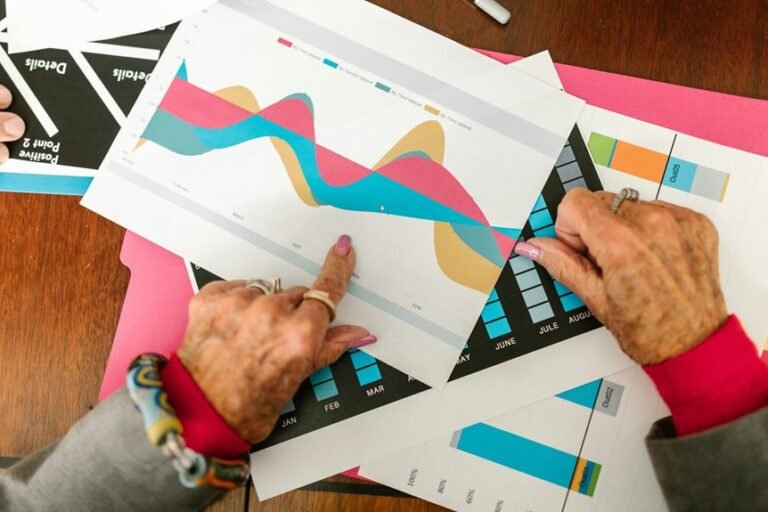
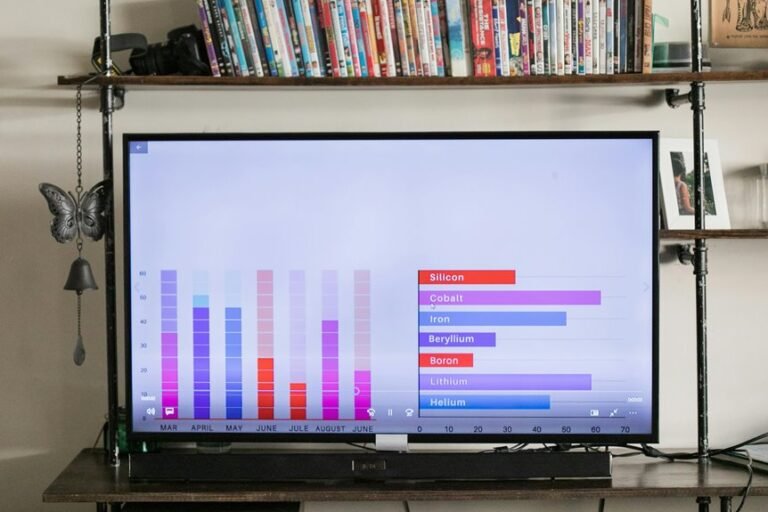
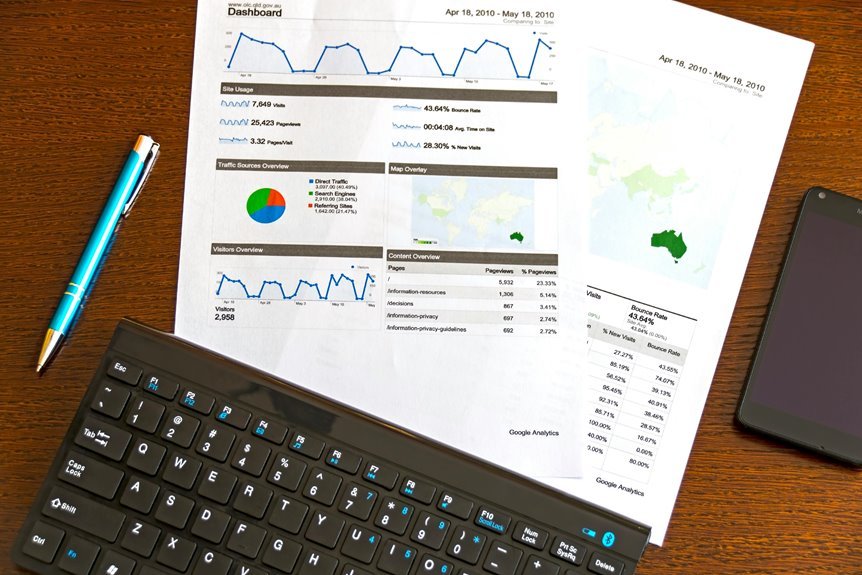
By employing data visualization techniques, stakeholders can interpret complex datasets more intuitively.
Furthermore, predictive analytics enhances this process by forecasting future trends based on historical data, allowing businesses to make informed decisions and adapt strategies, ultimately fostering a proactive rather than reactive operational environment.
Implementing Performance Improvement Strategies
Implementing performance improvement strategies requires a systematic approach that aligns organizational goals with measurable outcomes.
Establishing performance benchmarks is essential for evaluating progress. Improvement frameworks, such as the Plan-Do-Study-Act cycle, facilitate structured analysis and encourage iterative enhancements.
Conclusion
In conclusion, the realm of performance analytics stands at the intersection of data-driven insight and strategic foresight. While KPIs illuminate current organizational effectiveness, trend analysis reveals the hidden currents of progress and potential pitfalls. By juxtaposing real-time performance with predictive analytics, organizations can not only react to present challenges but also anticipate future opportunities. This dual approach fosters a culture of continuous improvement, ensuring that organizations remain agile and resilient in an ever-evolving landscape.